

The best practices for hiring a roofing contractor start with three non-negotiable steps: verify licensing and insurance, collect at least three written estimates, and sign a detailed contract before any work begins. These aren't just good habits. They're the difference between a smooth project and a costly dispute. Whether you're dealing with storm damage in Happy Valley or planning a full replacement in Damascus, the same contractor selection standards apply. This guide walks you through every step so you hire with confidence, not guesswork.
1. Verify licenses and insurance before anything else
Licensing and insurance are the foundation of every safe roofing hire. Most states require licensing for roofing contractors, and hiring someone without an active license can void your permits, expose you to liability, and leave you with no legal recourse if something goes wrong. Oregon contractors must carry a valid CCB (Construction Contractors Board) license, and you can verify that status directly on the CCB website in about two minutes.
Don't stop at the license number. Request actual insurance certificates for both general liability and workers' compensation coverage. Then call the insurer using the phone number printed on the certificate (not a number the contractor gives you) to confirm the policy is active. This one step catches more problems than any other part of the vetting process.
- Confirm the license is active, matches the contractor's legal entity name, and is not expired
- Verify general liability coverage protects your property if damage occurs during the job
- Confirm workers' comp coverage protects you if a worker is injured on your roof
- Check for any disciplinary history or complaints through the state licensing board
Pro Tip: A contractor who hesitates to provide insurance certificates or gets defensive when you ask to verify them is showing you exactly who they are. Walk away.
2. Get at least three written, itemized estimates

Three estimates is the minimum, not the goal. Written, itemized bids break down labor, materials, permits, disposal fees, underlayment, flashing, and ventilation separately. That level of detail lets you compare apples to apples instead of guessing why one quote is $4,000 lower than another.
A lump-sum quote tells you almost nothing. It hides what materials are being used, whether permits are included, and what happens if the decking underneath turns out to be rotted. An itemized estimate forces the contractor to commit to specifics, which protects you when the job starts.
Here's what every written estimate should include:
- Labor costs broken out from material costs
- Material specifications including brand names and product lines (not just "shingles")
- Permit and inspection fees listed as a line item
- Debris removal and disposal costs
- Underlayment, ice and water shield, flashing, and ventilation details
- Scope of decking inspection and what happens if damage is found
Comparing three bids also helps you spot outliers. One bid that's 40% lower than the others isn't a deal. It's a signal that something is missing from the scope.
3. Understand what a solid roofing contract must include
A roofing contract is your legal protection, and a vague one is almost as bad as no contract at all. A detailed contract should specify the full scope of work, the exact materials being used (with manufacturer names and product lines), project start and completion dates, and the complete payment schedule. Verbal agreements don't hold up when there's a dispute over what was promised.
The contract should also address what happens if the decking is damaged once the old roof comes off. That's a common situation, and you want the price per sheet of replacement decking agreed to in writing before work starts, not negotiated on the fly while your house is open to the sky.
Key contract elements to require in writing:
- Full scope of work including layers being removed, decking inspection terms, and material specifications
- Project timeline with start date, estimated completion date, and weather delay provisions
- Workmanship warranty terms and manufacturer warranty details tied to installer certification
- Payment schedule with deposit amount, progress payment triggers, and final holdback
- Lien waiver provisions to protect you from supplier claims if the contractor doesn't pay their bills
- Cleanup expectations including daily site cleanup and final debris removal
- Termination clause outlining conditions under which either party can exit the agreement
Pro Tip: Never pay 100% upfront. A reasonable deposit is 10 to 30 percent. The final payment should be held until you've done a walkthrough and confirmed the work meets the contract terms.
The table below compares what a strong contract includes versus what a weak one typically leaves out:
| Contract element | Strong contract | Weak contract |
|---|---|---|
| Material specifications | Brand name, product line, color | "Architectural shingles" |
| Payment schedule | Milestone-based with holdback | 50% upfront, 50% on start |
| Warranty terms | Workmanship and manufacturer details | "We stand behind our work" |
| Scope of decking | Inspection terms and per-sheet pricing | Not mentioned |
| Lien waivers | Required at each payment stage | Not included |
4. Set a realistic budget and watch for red flags
Roof replacement costs vary widely depending on your region, roof size, pitch, and materials. Local costs can range dramatically depending on scope, which is exactly why itemized bids matter so much. A bid that looks cheap on the surface often excludes permits, disposal, or proper underlayment. Those omissions show up as surprise charges once the job is underway.
Budget for permits and inspections as part of your total project cost, not as an afterthought. Proper permits prevent costly rework and protect you legally if you sell the home. A contractor who suggests skipping permits to save money is putting you at risk, not doing you a favor.
If your roof damage is storm-related, pay close attention to how the contractor's scope aligns with your insurance claim. Scope misalignment between what your contractor proposes and what your insurer approved can result in supplemental claim denials. Get both documents side by side before signing anything.
Watch for these budget red flags:
- Bids with no line items or vague material descriptions
- Pressure to sign quickly because "the price is only good today" (that phrase is a manipulation tactic, not a real deadline)
- Requests for large upfront payments before materials are ordered
- No mention of permits or inspections in the scope
Pro Tip: Use the 2026 cost factors checklist from French Roofing to build your budget before you start collecting bids. It helps you ask better questions and spot gaps in contractor proposals.
5. Ask the right questions before you hire
The questions you ask a contractor before signing tell you more than their website ever will. A contractor who answers clearly and without hesitation is a good sign. One who gets vague or defensive when you ask about licensing or permits is showing you their work style before the job even starts.
Use this contractor questions checklist as your starting point, and make sure you cover these areas:
- Licensing and insurance: "Can you provide your CCB number and current insurance certificates?"
- Permits: "Will you pull the permit, and will you coordinate the inspection?" A contractor who says permits aren't necessary for a full replacement is wrong.
- Manufacturer certification: "Are you a certified installer for the shingles you're proposing?" Manufacturer warranties require installation by certified contractors. If they're not certified, your material warranty may not be valid.
- References: "Can you provide three recent references in this area?" Then actually call them.
- Subcontractors: "Will your own crew do the work, or will you subcontract it?" This affects accountability and warranty coverage. Learn more about subcontractor roles before you decide how much it matters to you.
- Change orders: "How do you handle changes to scope or unexpected costs?" The answer should be "in writing, with your approval before we proceed."
Key takeaways
Hiring the right roofing contractor requires verified credentials, written estimates, and a detailed contract with milestone payments before any work begins.
| Point | Details |
|---|---|
| Verify license and insurance | Confirm active CCB license and call insurers directly to verify coverage. |
| Get three itemized estimates | Written bids with line items expose scope gaps and prevent hidden charges. |
| Use a detailed contract | Require material specs, timeline, warranty terms, and milestone payments in writing. |
| Budget for permits | Include permit and inspection fees in your total cost from the start. |
| Ask about certification | Manufacturer warranties depend on certified installation. Confirm before signing. |
What I've learned after years of roofing in the Portland metro
I've been doing this since 2014, and the homeowners who have the worst experiences almost always skipped one of the basics. They hired someone without checking the license, or they signed a one-page contract because the contractor seemed trustworthy. I get it. Roofing is stressful, and when someone shows up and seems confident and friendly, it's easy to relax your guard.
Here's what I tell people: trust your gut on personality, but verify everything on paper. I've seen homeowners get stuck with no recourse because the contractor they liked turned out to be uninsured. I've also seen jobs where the contract was so vague that when the decking turned out to be rotted, the contractor charged double what was reasonable because nothing was agreed to in advance.
The other thing I see constantly is homeowners caving to pressure. Someone tells them the price is only good for 24 hours, and they sign without comparing other bids. That's not how legitimate contractors operate. A real professional gives you time to review, because they're confident their work and price will hold up to comparison.
The best roofing hire I've ever seen a homeowner make was someone who came to us with three other bids, a list of questions, and a clear idea of what they wanted in a contract. That project went perfectly because both sides knew exactly what was expected. That's the standard to aim for.
— Sean
How French Roofing makes this process easier
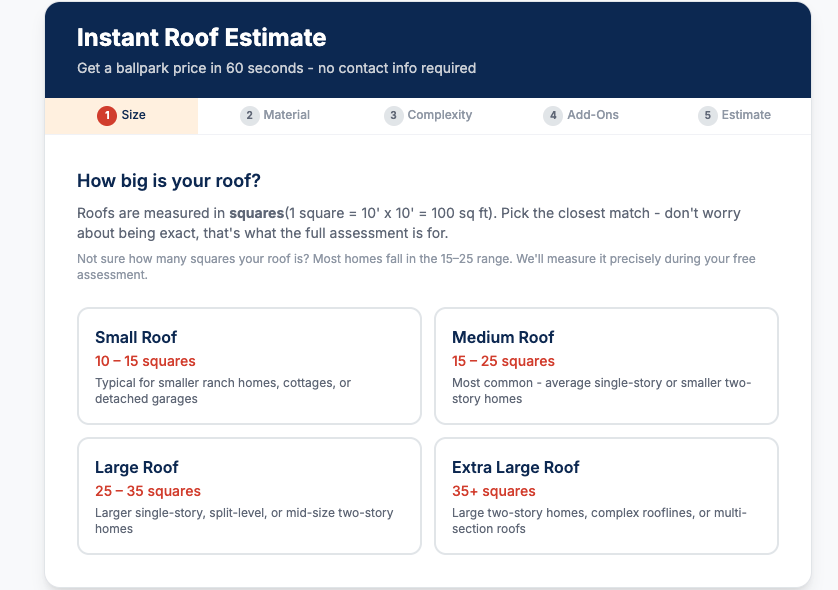
French Roofing has been serving Damascus, Clackamas, Happy Valley, and the greater Portland metro since 2014. We're licensed (CCB #203933), insured, bonded, and CertainTeed Certified, which means the manufacturer warranties on your materials are actually valid when we install them. We pull permits, coordinate inspections, and give you a written contract with every detail spelled out before we start. Our services cover roof replacement, repair, cleaning, and inspections, and we offer financing options for homeowners who need them. If you're ready to start comparing, get your estimate online right now.
Get Instant Estimate Online! Start here
FAQ
How do I verify a roofing contractor's license?
Visit your state's contractor licensing board website and search by the contractor's name or license number. In Oregon, use the CCB website to confirm the license is active, matches the contractor's legal entity, and has no disciplinary history.
What should a roofing contract always include?
A roofing contract should include the full scope of work, material specifications with brand names, project timeline, workmanship and manufacturer warranty terms, a milestone-based payment schedule, and lien waiver provisions.
How many estimates should I get for a roof replacement?
Get at least three written, itemized estimates. Comparing multiple bids helps you identify scope gaps, spot unusually low bids that may exclude key items, and make a fair cost comparison.
Can hiring an unlicensed roofer void my homeowner's insurance?
Yes. Hiring an unlicensed contractor can void permits and may give your insurer grounds to deny claims related to the work. Always verify licensing before signing any agreement.
What is a reasonable deposit for a roofing project?
A deposit of 10 to 30 percent is standard. Avoid paying more than 30% upfront, and hold the final payment until you've completed a walkthrough and confirmed the work meets your contract terms.