

Professional roof cleaning is the process of safely removing moss, algae, lichen, and debris using low-pressure chemical treatments designed to protect your roof's materials, warranty, and long-term integrity. It's not a cosmetic luxury. It's a maintenance practice that directly affects how long your roof lasts and how much you spend keeping it over your head. Many homeowners in the Portland metro area look up at those dark streaks or green patches and think, "I'll deal with that later." This article explains why later can cost you a lot more than you'd expect.
Why professional roof cleaning is needed: beyond the surface
The most common misconception about roof cleaning is that it's purely about appearance. Moss and algae trap moisture against your shingles, accelerating wear and creating conditions that lead to leaks and interior water damage. That's not a cosmetic problem. That's a structural one.
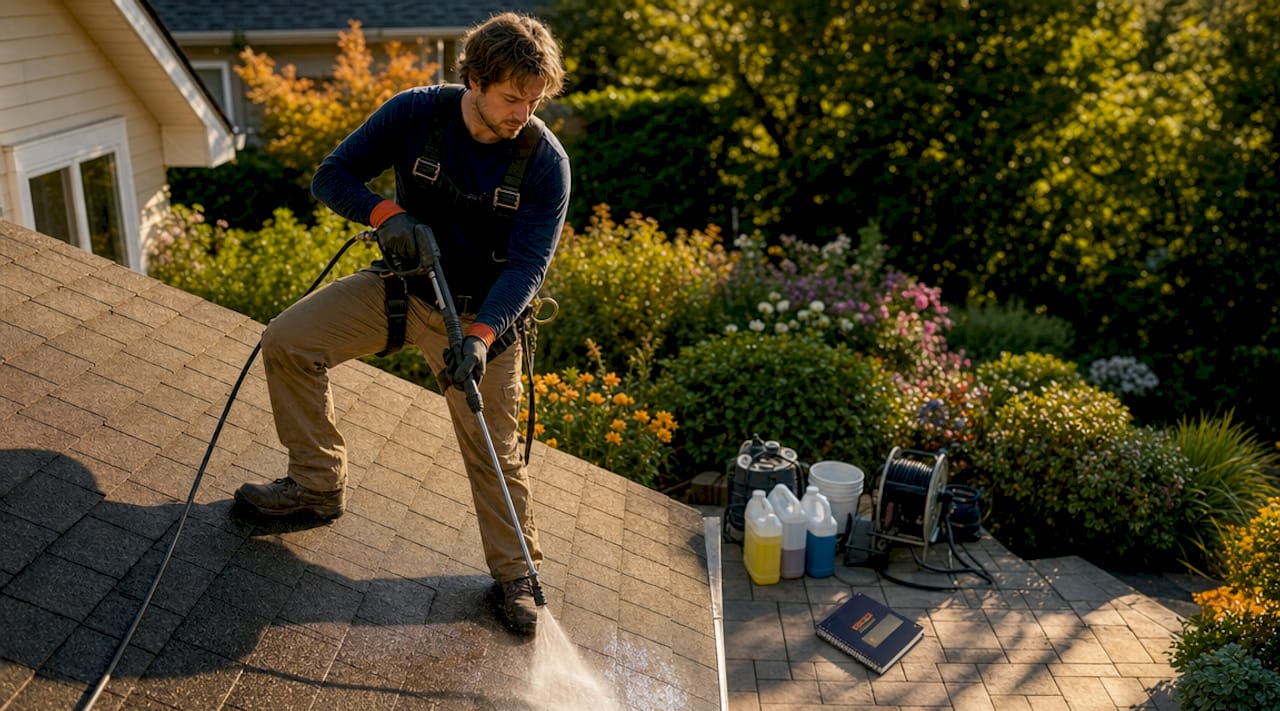
A specific culprit worth knowing by name is Gloeocapsa magma, a type of algae that causes dark streaking and actively damages shingles, particularly in humid climates like the Pacific Northwest. It feeds on the limestone filler in asphalt shingles, which means it's literally eating your roof while you're ignoring it. Left unchecked, it spreads fast and the damage compounds.
Here's what biological growth and debris actually do to your roof:
- Moisture retention: Moss and algae hold water against shingle surfaces, softening and degrading the material underneath over time.
- Physical damage from debris: Leaves, pine needles, and dirt accumulate in valleys and gutters, blocking drainage and causing water to back up under shingles.
- Granule loss acceleration: Biological growth and debris abrasion strip the protective granules from asphalt shingles, reducing UV protection and shortening their service life.
- Leak pathways: Deteriorated shingles and clogged drainage create direct routes for water to reach your decking, insulation, and interior.
- Warranty exposure: Manufacturers often refuse warranty claims when moss or algae damage is present and maintenance has been neglected.
Regular professional roof care removes these threats before they become repair bills. The importance of roof maintenance isn't theoretical. It shows up in the condition of your shingles and the size of your contractor's invoice.
Soft washing vs. pressure washing: why the method matters
Not all roof cleaning is equal, and the method your contractor uses can be the difference between a clean roof and a voided warranty. The industry standard for asphalt shingles is soft washing, a process that uses low-pressure application at ≤500 PSI combined with chemical dwell time to kill biological growth without physically damaging roofing materials.
Soft washing typically uses sodium hypochlorite solutions at 1% to 3% concentration, applied with low-pressure sprayers and left to dwell for 10 to 30 minutes before rinsing. That dwell time is what does the actual work. The chemistry kills the organism at the root, which means the growth doesn't come back in six weeks like it would if you just blasted it off with water.
Pressure washing, by contrast, operates at 1,500 to 3,000 PSI. At that force, granule loss is significant, UV protection degrades, and shingle lifespan shortens measurably. The Asphalt Roofing Manufacturers Association (ARMA) explicitly cautions against pressure washing for this reason. If a contractor shows up with a pressure washer and no chemical application system, that's a red flag worth acting on.
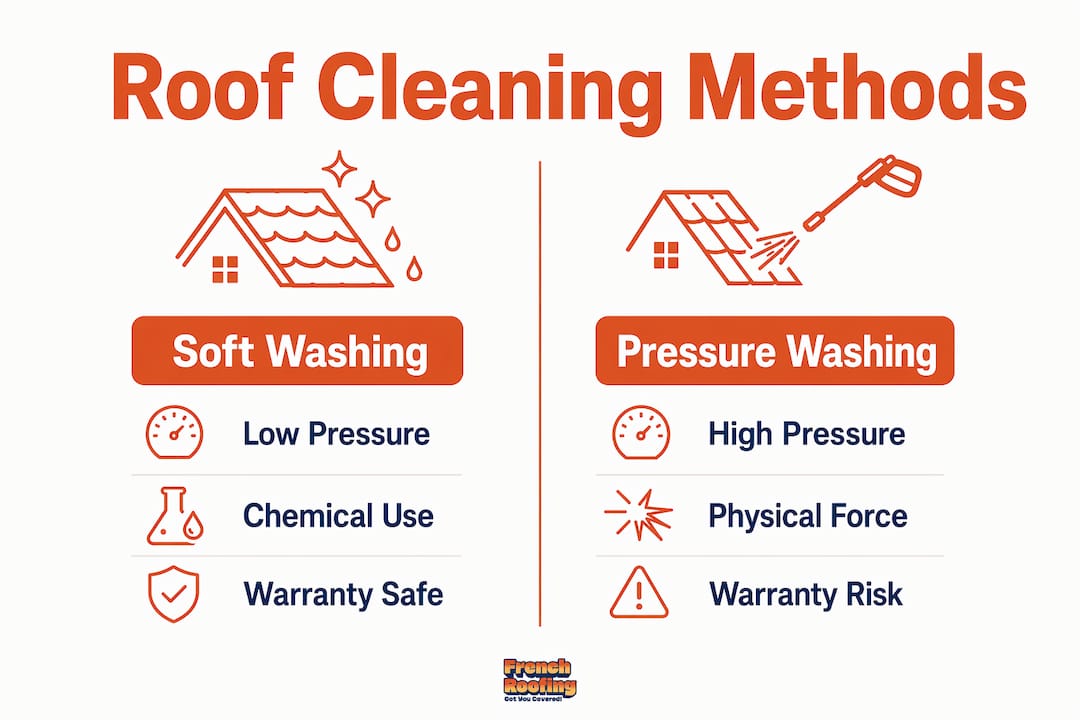
| Method | Pressure | Primary agent | Warranty impact | Biological kill |
|---|---|---|---|---|
| Soft washing | ≤500 PSI | Sodium hypochlorite | Preserves warranty | Kills at root level |
| Pressure washing | 1,500–3,000 PSI | Water force | Often voids warranty | Surface removal only |
Pro Tip: Ask any roof cleaning contractor to confirm in writing that they use soft washing methods at or below 500 PSI. A contractor who can't or won't provide that confirmation is not following ARMA guidelines.
Proper chemical dilution and dwell times are also critical for minimizing environmental impact. Reputable professionals use containment strategies to protect your landscaping from chemical runoff, which EPA regulations require. That's another reason to hire someone who knows what they're doing rather than renting a pressure washer for the afternoon.
You can read more about how different approaches compare in this roof cleaning methods breakdown from the French Roofing blog.
What are the safety risks of DIY roof cleaning?
Falls are the primary danger in roof cleaning, and they're not rare. Most homeowners don't own the safety equipment needed for roof work, and even getting close enough to rinse from a ladder puts you in a position that OSHA 29 CFR 1926.502 mandates fall protection for. That standard applies to work above six feet. Your roof is considerably higher than that.
Professional roof cleaners treat fall protection as a standard part of the job, not an afterthought. They use harnesses, anchor systems, and roof jacks as a matter of course. Even tasks that seem simple, like rinsing from the ground, often require roof access via ladders and harnesses because of the angles involved in reaching every surface effectively.
Here's what you're taking on if you go the DIY route:
- Fall risk from wet, sloped surfaces without proper anchor points or harness systems.
- Chemical handling hazards from sodium hypochlorite, which requires protective gear and proper dilution to avoid skin, eye, and respiratory exposure.
- Roof damage from walking on wet shingles incorrectly or using the wrong cleaning pressure.
- Landscaping damage from uncontained chemical runoff affecting plants, grass, and nearby waterways.
Pro Tip: When vetting a roof cleaning contractor, ask specifically about their fall protection plan and whether they carry workers' compensation insurance. If a worker gets hurt on your property and the contractor isn't properly insured, you could be liable.
Hiring a qualified contractor isn't just about getting a better result. It's about making sure nobody gets hurt in the process.
How does professional cleaning compare to roof replacement costs?
The financial case for regular professional roof care is straightforward. Average professional cleaning costs range from approximately $300 to $620, with a typical average around $450 per cleaning. That's a predictable, manageable expense. A full roof replacement in the Portland metro area runs into the thousands, sometimes tens of thousands, depending on size and materials.
Cleaning extends roof material lifespan by removing the biological growth and debris that accelerate wear. A roof that gets cleaned regularly simply lasts longer. That means you're pushing back the replacement date, which is where the real money is saved.
| Service | Typical cost range | Frequency | Primary benefit |
|---|---|---|---|
| Professional roof cleaning | $300 to $620 | Every 1 to 3 years | Extends lifespan, preserves warranty |
| Minor roof repair | $150 to $1,500 | As needed | Fixes localized damage |
| Full roof replacement | $8,000 to $25,000+ | Every 20 to 30 years | Complete system renewal |
The math isn't complicated. Two or three cleanings over a decade costs less than one significant repair, and far less than an early replacement caused by preventable biological damage. For more context on what drives roof replacement costs, the factors involved are worth understanding before you're ever in that position.
Cleaning also protects your warranty. Manufacturers who find evidence of neglected moss or algae damage can and do deny claims. Keeping a record of professional cleanings gives you documentation that maintenance was performed correctly, which matters when you need to make a warranty claim.
For homeowners thinking about the long view, this shingle lifespan extension guide covers additional maintenance strategies worth pairing with regular cleaning.
Key takeaways
Professional roof cleaning is a necessary maintenance practice that protects your roof's lifespan, preserves manufacturer warranties, and costs a fraction of what neglect eventually demands in repairs or early replacement.
| Point | Details |
|---|---|
| Cleaning is structural, not cosmetic | Moss and algae trap moisture and cause leaks, making cleaning a structural maintenance need. |
| Soft washing is the correct method | ARMA recommends soft washing at ≤500 PSI to protect shingles and preserve warranties. |
| Safety requires professional equipment | Fall protection, harnesses, and chemical handling gear are standard for pros, not optional extras. |
| Cleaning costs far less than replacement | At $300 to $620 per cleaning, regular maintenance delays thousands in replacement costs. |
| Warranty protection depends on maintenance | Manufacturers can deny claims when moss or algae damage results from neglected upkeep. |
My honest take on roof cleaning priorities
I've been doing this since 2014, and the conversation I have most often with homeowners goes something like this: they noticed the streaks a couple of years ago, figured it was just dirt, and now they're standing in front of me with a roof that needs more than a cleaning.
Most people don't realize that roof cleaning decisions should be based on roof material, warranty terms, and the actual biological load on the surface, not just whether the roof looks bad from the driveway. By the time it looks bad from the driveway, the damage underneath is usually already underway.
My honest recommendation is to get a professional inspection every year and a professional cleaning every one to three years depending on your tree coverage and shade exposure. Homes under heavy tree canopy in the Portland area, especially in Damascus and Happy Valley, tend to accumulate moss faster than homes in open sun. That's just the reality of our climate.
When you're evaluating a contractor, ask about their cleaning method, their insurance, and their fall protection plan. If they can't answer those questions clearly, keep looking. The right contractor will explain exactly what they're doing and why. That transparency is what separates a professional from someone with a pressure washer and a truck.
— Sean
French Roofing's professional roof cleaning services
French Roofing serves Damascus, Clackamas, Happy Valley, and the greater Portland metro with professional roof cleaning that follows soft washing standards, OSHA safety protocols, and CertainTeed certification guidelines. Every cleaning starts with a roof assessment so we know exactly what we're dealing with before we apply anything.
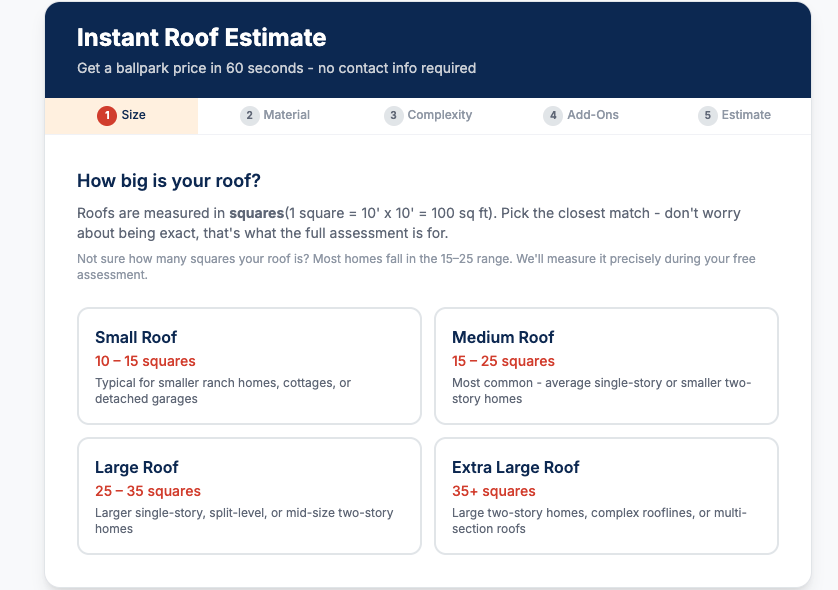
We also offer free roof inspections for homeowners who want to understand their roof's current condition before scheduling a cleaning or repair. If your roof needs more than a cleaning, our team handles repairs and full replacements with financing available. We're licensed, insured, bonded (CCB #203933), and we treat every home the way we'd want our own treated.
Get Instant Estimate Online!
FAQ
Is roof cleaning actually necessary, or just cosmetic?
Roof cleaning is necessary for structural reasons, not just appearance. Moss and algae trap moisture against shingles, accelerating wear and creating leak pathways that lead to interior water damage.
What is soft washing and why do professionals use it?
Soft washing uses low-pressure application at ≤500 PSI combined with sodium hypochlorite solutions to kill biological growth at the root. The Asphalt Roofing Manufacturers Association recommends it over pressure washing because it protects shingle granules and preserves manufacturer warranties.
How often should I have my roof professionally cleaned?
Most roofs benefit from professional cleaning every one to three years, depending on shade exposure, tree coverage, and local climate. Homes in the Pacific Northwest with heavy tree canopy typically need more frequent cleaning due to accelerated moss growth.
Can I lose my roof warranty if I skip cleaning?
Yes. Manufacturers can deny warranty claims when moss or algae damage is present and maintenance records show the roof was not properly maintained. Professional cleaning with documentation protects your warranty coverage.
Why shouldn't I just pressure wash my own roof?
Pressure washing at 1,500 to 3,000 PSI strips protective granules from asphalt shingles, shortens their lifespan, and voids most manufacturer warranties. DIY roof work also carries significant fall risk for homeowners without proper safety equipment and training.