
Roof cleaning is the process of removing moss, algae, lichen, dirt, and debris from roofing surfaces to maintain both lifespan and curb appeal. For most homeowners with asphalt shingle roofs, the best roof cleaning method is low-pressure soft washing, and that's not just an opinion. The Asphalt Roofing Manufacturers Association (ARMA) prohibits high-pressure washing on asphalt shingles because it strips protective granules and voids manufacturer warranties. This roof cleaning methods comparison covers soft washing, pressure washing, manual removal, and chemical treatments so you can choose the right approach for your roof, your budget, and your warranty.
1. Soft washing: the safest method for most roofs
Soft washing is defined as a cleaning process that uses water pressure no higher than a garden hose combined with diluted chemical solutions, typically a bleach-based mix, to kill and remove biological growth. It's the method ARMA and most shingle manufacturers recommend for asphalt roofs, and for good reason.
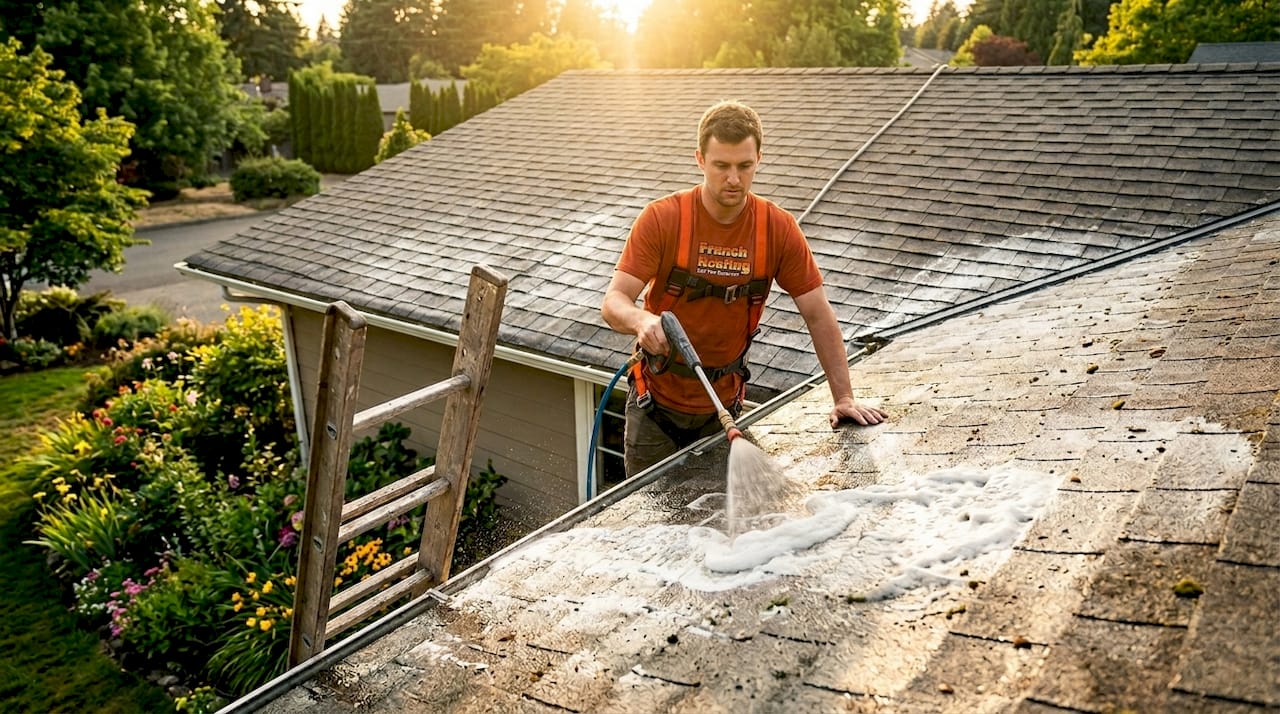
The soft wash process works by applying a cleaning agent to the roof surface, letting it dwell long enough to kill algae, moss, lichen, and mold at the root, then rinsing with low pressure. Because the chemistry does the heavy lifting instead of water force, granules stay intact and shingles aren't physically stressed. That's the key difference between soft washing and every other method on this list.
Here's what soft washing does well:
- Kills algae, moss, and lichen at the biological level rather than just scrubbing them off the surface
- Preserves shingle granules, which protect the asphalt mat from UV damage and weather
- Complies with ARMA guidelines and most manufacturer warranty requirements
- Works on asphalt shingles, cedar shake, and certain tile roofs that can't handle high pressure
The main limitation is that soft washing requires the right chemical mix and dwell time to be effective. Too weak a solution and the moss comes back fast. Too strong and you risk runoff that damages plants and landscaping below. Professional roof cleaning averages around $450 per job, with typical ranges from $300 to $620. That cost reflects the expertise, safety equipment, and correct chemical calibration a licensed contractor brings.
Pro Tip: Before hiring anyone, ask three questions: What pressure level do you use? What cleaning agent and concentration? How long does the solution dwell before rinsing? If a contractor can't answer all three clearly, keep looking.
2. Pressure washing: when high pressure causes real damage
Pressure washing uses motorized pumps to deliver water at high force, typically between 1,500 and 3,000 PSI or higher. On concrete driveways and wood decks, that power is useful. On an asphalt shingle roof, it's a problem.
High-pressure washing dislodges the granules embedded in asphalt shingles. Those granules aren't decorative. They protect the asphalt mat underneath from UV rays, impact, and water infiltration. Once granules are gone, the mat degrades faster, and your roof's lifespan shortens by years. Most shingle manufacturers, including CertainTeed, specify that pressure washing voids the product warranty.
The situations where pressure washing is still used:
- Metal roofs, where there are no granules to lose and the surface can handle higher force
- Concrete tile roofs, which are dense enough to withstand moderate pressure
- Flat commercial roofing with membrane surfaces designed for periodic high-pressure cleaning
Even on those materials, the contractor should know the correct PSI range for that specific surface. The common homeowner mistake is renting a pressure washer from a hardware store and going at the roof without knowing the pressure output or the right nozzle angle. The result is often granule loss, lifted shingles, or water forced under flashing.
Pro Tip: If a contractor shows up with a standard pressure wand and no soft wash setup for your asphalt shingle roof, that's a red flag. Confirm the method in writing before any work starts.
3. Manual removal and chemical treatments: hands-on options
Manual removal means physically clearing moss, lichen, and debris from the roof using tools like a roof rake, a soft-bristle brush, or a plastic scraper. Chemical treatments involve applying moss and algae killers directly to the surface, sometimes without any rinsing required.
Manual removal and chemical sprays are practical for certain roof types and conditions, but they come with real trade-offs worth understanding before you reach for a brush.
Here's how each approach breaks down:
- Roof raking and brushing: Works well for clearing loose debris, pine needles, and light moss buildup. The risk is applying too much pressure or using a stiff brush that scrapes off granules. Always use a soft-bristle brush and work downward with the shingles, never against them.
- Chemical moss and algae sprays: Products like zinc sulfate or potassium salts of fatty acids can be applied from the ground with a garden sprayer or from the roof. They kill biological growth over days or weeks without requiring immediate rinsing. This makes them a lower-risk option for DIY homeowners who don't want to walk the roof.
- Zinc strips: Installing zinc or copper strips near the roof ridge releases metal ions when it rains, which inhibit moss and algae regrowth. This is a preventive measure, not a cleaning solution for existing buildup.
The environmental consideration matters here. Chemical runoff from roof treatments can damage plants, grass, and nearby water sources. If you're treating a roof near a garden or a natural drainage area, choose products labeled as biodegradable and rinse surrounding plants with clean water before and after application.
Manual methods work best as a complement to soft washing, not a replacement. They're good for light maintenance between professional cleanings, but they won't fully address heavy moss or lichen that has bonded to the shingle surface.
4. Roof cleaning method comparison by material and situation
This is where the roof cleaning methods comparison gets practical. The right method depends on your roof material, the severity of the buildup, and whether warranty protection matters to you.
Pro Tip: Choose your cleaning method based on your roof material first, cost second. A $200 pressure wash that voids a $15,000 shingle warranty is not a bargain.
| Method | Best for | Warranty safe? | Avg. cost | Effectiveness |
|---|---|---|---|---|
| Soft washing | Asphalt shingles, cedar shake, tile | Yes, per ARMA | $300 to $620 | High for algae, moss, lichen |
| Pressure washing | Metal, concrete tile | No for asphalt | $150 to $400 | High for dirt, low for biology |
| Manual removal | Light debris, all types | Yes, if done gently | DIY or $100 to $250 | Low to moderate |
| Chemical sprays | All types, preventive | Yes | $50 to $200 | Moderate, slow-acting |
| Zinc/copper strips | All types, prevention only | Yes | $100 to $300 installed | Preventive only |
Safe cleaning methods vary by roof type. Soft washing suits asphalt shingles, cedar shake, and certain tiles. Pressure washing suits durable materials like metal or concrete tile. That distinction is the single most important factor in this comparison.
For homeowners in the Pacific Northwest, moss and algae are a constant battle because of the wet climate. A soft wash every two to three years, combined with zinc strips near the ridge, is the most cost-effective maintenance plan for an asphalt shingle roof in Oregon or Washington.
5. DIY vs. professional roof cleaning: what's actually at stake
DIY roof cleaning is possible, but it carries real risks that go beyond just getting the cleaning wrong. Falls from roofs are among the leading causes of serious injury for homeowners. Most people don't own the safety harnesses, roof jacks, or non-slip footwear that professional crews use as standard equipment.
Beyond the safety issue, DIY mistakes are expensive. Using the wrong chemical concentration can bleach or discolor shingles. Using a pressure washer on asphalt shingles strips granules and voids warranties. Applying a chemical treatment without proper rinsing can kill landscaping. These aren't hypothetical scenarios. They're the calls contractors get after a homeowner tried to save a few hundred dollars.
Here's when you should always hire a professional:
- Your roof pitch is steep (above 6:12 is considered high-pitch and significantly increases fall risk)
- You have heavy moss or lichen that has bonded to the shingle surface
- Your roof is cedar shake, which requires specific chemical concentrations to avoid damage
- You want to preserve your manufacturer warranty, which typically requires professional application
- You're not sure what cleaning method your roof material requires
Professional cleaning extends roof lifespan and protects against premature replacement costs. At an average of $450, it's a fraction of what a roof replacement runs. The math strongly favors hiring a licensed, insured contractor for anything beyond light debris removal.
If you do decide to handle light maintenance yourself, stick to gentle brushing with a soft-bristle broom, ground-level chemical sprays, and keeping gutters and valleys clear of debris. Leave the chemical soft wash to someone with the right equipment and training.
Key takeaways
Low-pressure soft washing is the only roof cleaning method that removes biological growth effectively while preserving shingle granules and maintaining manufacturer warranty coverage.
| Point | Details |
|---|---|
| Soft washing is the standard | ARMA and most manufacturers require low-pressure soft washing for asphalt shingles to keep warranties valid. |
| Pressure washing voids warranties | High-pressure water strips granules from asphalt shingles, causing premature wear and voiding coverage. |
| Method depends on roof material | Metal and concrete tile can handle more pressure; asphalt, cedar, and certain tiles require soft washing. |
| Professional cleaning pays off | At an average of $450, professional cleaning costs far less than early roof replacement from DIY damage. |
| Ask contractors the right questions | Confirm pressure level, chemical type, and dwell time before any contractor touches your roof. |
What I've learned after years of cleaning roofs in Oregon
I get asked about roof cleaning a lot, and the most common misconception I run into is that a pressure washer is just a faster, stronger version of soft washing. It's not. They're fundamentally different approaches, and using the wrong one on an asphalt shingle roof causes real, lasting damage.
The second thing I see constantly is homeowners hiring whoever quotes the lowest price without asking what method they use. A contractor who shows up with a standard pressure wand and no chemical setup is going to clean your roof fast and cheap. They're also going to strip granules, and you won't notice the damage until a few years later when your shingles start failing ahead of schedule.
My honest advice: always verify the method before you sign anything. Ask about the contractor's credentials and whether they follow ARMA guidelines. A licensed, insured contractor who uses proper soft washing techniques is worth every dollar of that $300 to $620 range. Routine soft washing every two to three years, combined with a free roof inspection to catch any developing issues, is the most practical maintenance plan I know for extending the life of a roof in the Portland area.
— Sean
French Roofing's professional roof cleaning services
French Roofing provides professional roof cleaning and maintenance for homeowners across Damascus, Clackamas, Happy Valley, and the greater Portland metro. We use low-pressure soft washing methods that comply with ARMA guidelines and protect your manufacturer warranty. As a CertainTeed Certified contractor (CCB #203933), we're licensed, insured, and bonded, so you're covered from start to finish.
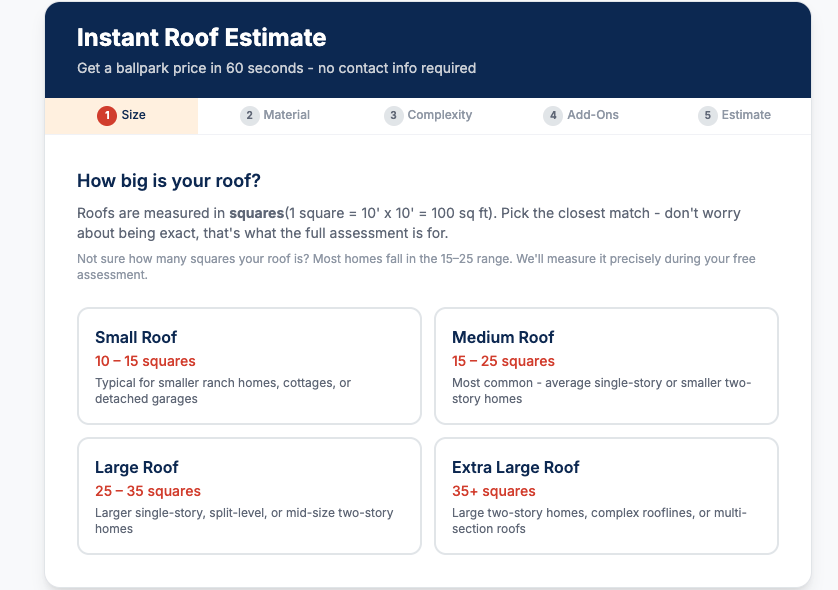
If your roof has moss, algae staining, or just hasn't been cleaned in a few years, we're happy to take a look. We also handle roof repairs and full replacements if cleaning reveals deeper issues. Get Instant Estimate Online!
FAQ
What is the safest roof cleaning method for asphalt shingles?
Low-pressure soft washing is the safest method for asphalt shingles. ARMA specifies that soft washing with diluted bleach solutions cleans effectively without stripping granules or voiding manufacturer warranties.
Does pressure washing damage a roof?
Yes, pressure washing damages asphalt shingle roofs by dislodging protective granules, which exposes the asphalt mat to UV and weather damage and typically voids the shingle warranty.
How often should you clean your roof?
Most roofs benefit from professional cleaning every two to three years, though homes in wet, shaded climates like the Pacific Northwest may need more frequent attention due to faster moss and algae growth.
Can I clean my roof myself?
Light debris removal and ground-level chemical sprays are manageable for most homeowners, but a full soft wash requires proper equipment, safety gear, and chemical knowledge. DIY mistakes can damage shingles and void warranties.
How much does professional roof cleaning cost?
Professional roof cleaning averages around $450, with most jobs falling between $300 and $620 depending on roof size, pitch, and the severity of biological buildup.