
Most homeowners assume a single label tells the whole story when it comes to roof quality. In reality, understanding how roofing materials are rated requires looking at three separate systems: fire resistance, wind resistance, and impact resistance. Each system uses different testing standards, different classification scales, and applies to different hazards. Knowing which ratings matter for your home and your location is what separates a roof that lasts decades from one that fails in the first major storm. This guide breaks each system down clearly so you can make a confident, informed decision.
Table of Contents
- Key takeaways
- How roofing materials are rated for fire resistance
- Wind resistance: what the ratings actually mean
- Impact resistance: ratings for hail and debris
- How to compare roofing material ratings holistically
- My take on what ratings actually mean for you
- Get a roof that actually delivers its ratings
- FAQ
Key takeaways
| Point | Details |
|---|---|
| Three separate rating systems | Fire, wind, and impact ratings each test for different hazards and use different classification scales. |
| Ratings apply to whole assemblies | A product's rating is only valid when the full roof system matches the tested assembly, including deck and underlayment. |
| Installation determines real performance | Deviating from manufacturer installation specs can void or significantly reduce a material's published rating. |
| Local hazards should drive priorities | Homeowners in hail-prone states should prioritize impact ratings; wildfire zones require Class A fire resistance. |
| Impact ratings can lower insurance costs | UL 2218 Class 4 materials qualify for premium discounts in many hail-prone states. |
How roofing materials are rated for fire resistance
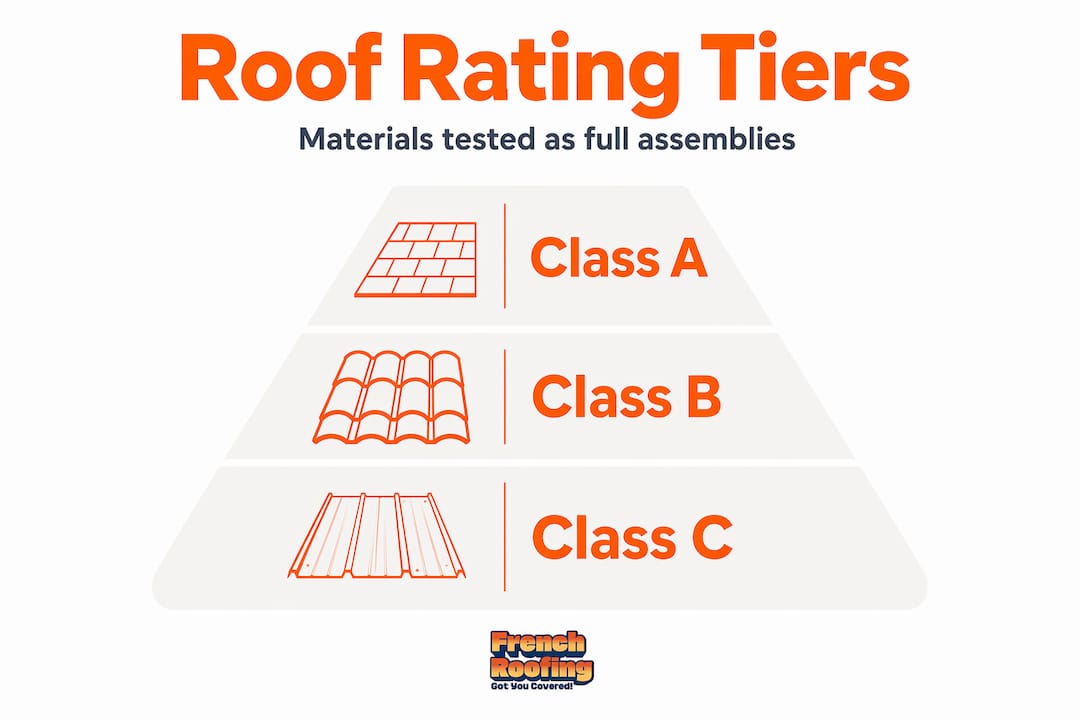
Fire resistance is the rating most homeowners have heard of. But the way fire ratings are determined is more specific than most people realize. The two governing test standards in the U.S. are ASTM E108 and UL 790. Both evaluate entire roof assemblies, not just the surface shingle or tile. The tests expose the assembly to flaming brands of different sizes, burning embers, and intermittent flame contact to measure how well the system resists ignition and limits flame spread.
The results produce four categories:
| Fire Rating | Description | Common Materials |
|---|---|---|
| Class A | Highest resistance; withstands severe fire exposure | Asphalt shingles (tested assembly), concrete tile, metal |
| Class B | Moderate resistance; withstands moderate fire exposure | Some wood shingles with fire-retardant treatment |
| Class C | Light resistance; withstands light fire exposure | Some untreated wood shakes |
| Unrated | No fire resistance testing performed | Certain older or specialty materials |
Class A is the standard most building codes require, especially in wildfire-prone regions. Many jurisdictions in California, Oregon, and Washington now mandate Class A roofs on all new construction and re-roofing projects.
Here is the detail most homeowners miss: the fire rating belongs to the entire tested roof assembly, not just the shingle product you buy. A tested roof assembly includes a specific deck type, underlayment, and surface material in combination. If your contractor swaps out the underlayment for a cheaper alternative, the Class A rating on the shingle package no longer applies to your roof. Cover boards made from glass-mat gypsum, for example, are sometimes required to achieve Class A status over a combustible plywood deck.
Pro Tip: When reviewing product documentation, look for the specific listed assembly. Ask your contractor to confirm their installation plan matches that exact assembly before work begins.
Wind resistance: what the ratings actually mean
Wind resistance ratings use a different set of standards and a different classification system than fire ratings. For asphalt shingles, the primary tests are ASTM D3161 and ASTM D7158. These tests simulate wind uplift forces on shingles to determine whether they stay sealed and attached at specific wind speeds.
The classifications under ASTM D7158 break down like this:
- Class A: Rated for 60 mph winds
- Class D: Rated for 90 mph winds
- Class F: Rated for 110 mph winds
- Class G: Rated for 150 mph winds (available on premium products)
Building codes typically specify a minimum wind rating based on your geographic zone. Homes in coastal areas or tornado-prone regions often require Class F or higher. Homes in the Pacific Northwest generally fall under less demanding requirements, but checking your local building code is always the right first step.
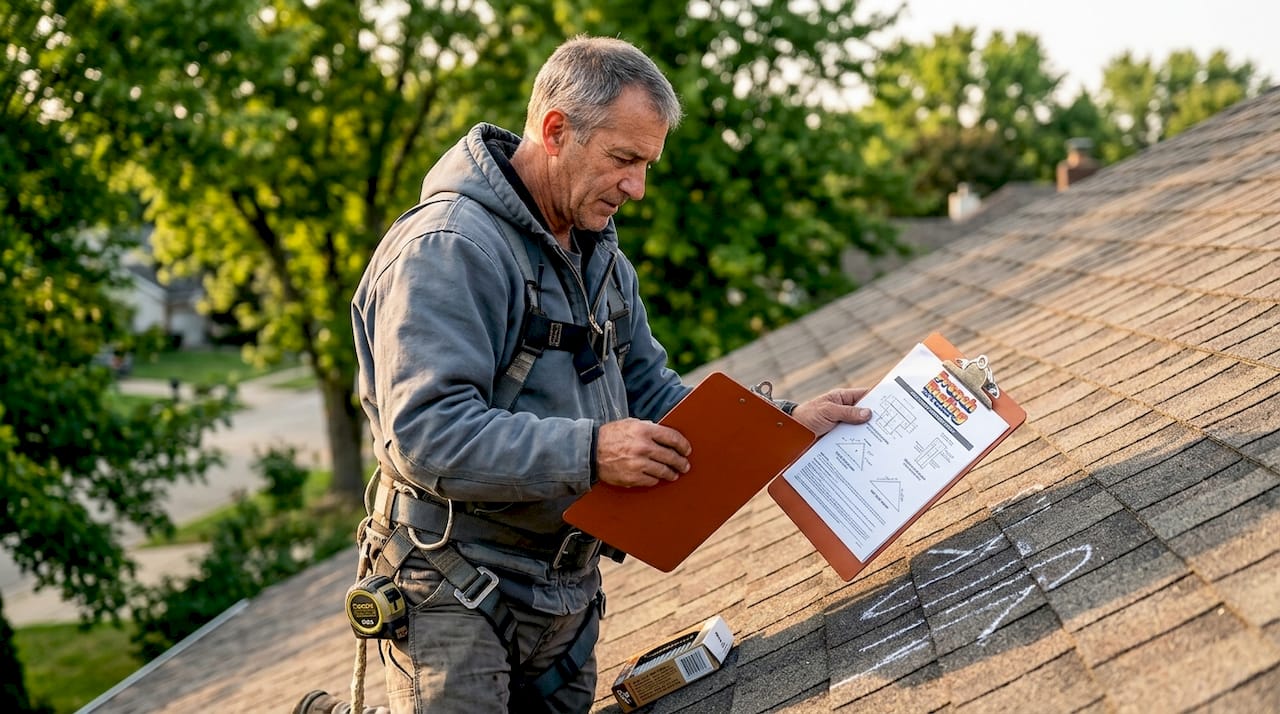
The critical qualifier in all wind ratings is the phrase "assuming proper installation." The ASTM D7158 standard explicitly notes that published wind classes assume the installer follows a specific fastener pattern, nail placement, and sealant application. Deviation from those specs can reduce real-world performance significantly, even if the product carries a Class F label. That means a contractor cutting corners on nailing patterns can take a 110 mph rated shingle and turn it into one that fails at 70 mph.
Metal roofing, clay tile, and synthetic materials each use different testing protocols for wind resistance. Metal panels, for instance, undergo separate uplift pressure tests rather than the shingle-specific ASTM methods. When you compare wind ratings across material types, make sure you understand which test was used, since the numbers do not always mean the same thing across different standards.
Pro Tip: Ask your roofing contractor for the installation spec sheet for your chosen shingle and confirm the fastening pattern they plan to use. This one step protects the wind rating you paid for.
Impact resistance: ratings for hail and debris
Impact resistance is the rating that matters most in hail-prone states like Texas, Colorado, and Nebraska. The two main test standards are UL 2218 and FM 4473. Both simulate hail impact using steel balls dropped from measured heights, but they differ in methodology and focus.
UL 2218 classifies materials from Class 1 through Class 4:
- Class 1: Steel ball dropped from 7 feet; minor cracking permissible
- Class 2: Steel ball dropped from 10 feet; limited cracking permissible
- Class 3: Steel ball dropped from 14 feet; no cracking or material separation
- Class 4: Steel ball dropped from 20 feet; no cracking or separation in any test specimen
FM 4473 follows a similar structure but places greater emphasis on field-relevant conditions and is more commonly referenced in commercial roofing applications.
| Class | Drop Height | Performance Threshold |
|---|---|---|
| Class 1 | 7 feet | Minor cracking allowed |
| Class 2 | 10 feet | Limited cracking allowed |
| Class 3 | 14 feet | No cracking or separation |
| Class 4 | 20 feet | No cracking or separation across all specimens |
Class 4 is the benchmark to target if you live in a hail-prone area. Many state insurance programs in Texas and Colorado offer premium discounts for homes with UL 2218 Class 4 roofs. In some jurisdictions, local building permits now require Class 4 materials in high-risk hail zones.
One point that gets overlooked: the substrate under the shingle matters in impact testing just as it does in fire testing. A Class 4 shingle installed over a soft or degraded deck will not perform the same as one installed over a solid, properly secured deck. The IBHS hail testing protocol takes this further by examining actual damage mechanisms rather than a simple pass/fail, which is why impact ratings should be treated as comparative performance evidence rather than absolute guarantees.
How to compare roofing material ratings holistically
This is where most homeowners get confused. Fire ratings use Class A/B/C. Wind ratings use Class A/D/F. Impact ratings use Class 1 through 4. The word "Class A" in fire resistance has nothing to do with "Class A" in wind resistance. These are distinct systems testing for completely different hazards.
When comparing roofing materials across all three systems, here is what to look for:
- Match ratings to local hazards. If you live in a wildfire zone, Class A fire resistance is non-negotiable. If your area sees frequent hailstorms, Class 4 impact resistance deserves more weight than a higher wind class.
- Use consumer testing to fill the gaps. Consumer Reports evaluates shingles for UV resistance, appearance retention, and leak resistance under simulated weather. These tests complement hazard ratings by measuring long-term durability under everyday conditions, not just extreme events.
- Verify the tested assembly, not just the product label. A shingle with Class A fire and Class F wind ratings only delivers those ratings when installed as part of the specific tested system. Changing the underlayment or deck type can void both.
- Do not mix and match components without checking compatibility. Changing cover boards or underlayments outside of a documented, tested assembly can void fire certifications and wind approvals simultaneously.
- Keep documentation. Insurance companies and permit offices increasingly require proof of tested assemblies, not just product model numbers. Ask your contractor for the full assembly documentation as part of your project paperwork.
For a broader look at how different material types stack up against each other, this residential roofing materials guide offers useful context on material categories alongside their general performance profiles.
My take on what ratings actually mean for you
I have worked on enough roofs to know that homeowners walk into material decisions focused on one number. Usually it is the fire class. They see "Class A" on the product sheet and feel confident they have made the right call. But in my experience, the fire class on a product label is the beginning of the conversation, not the end.
What most people do not ask is whether their contractor knows the tested assembly. I have seen brand-new roofs installed with Class A materials that technically did not carry a Class A rating because the underlayment did not match the product's listed system. The homeowner had no idea, and the contractor may not have either.
The rating systems are reliable. The gap is usually in how that information gets applied on an actual job site. Wind ratings assume perfect installation. Impact ratings assume a solid substrate. Fire ratings assume the entire assembly is correct. If any one of those conditions is off, the published rating is not what you have on your house.
My honest advice: prioritize local hazards first, then find materials rated for those hazards, and finally confirm that the contractor you hire understands what the tested assembly requires. That sequence has saved homeowners a lot of money in repairs and a lot of stress in insurance claims.
— Sean
Get a roof that actually delivers its ratings
At French Roofing, we take roofing material standards seriously, because your safety depends on more than just the product label. Our team is CertainTeed Certified and trained to install roof systems that match tested assemblies precisely, so the ratings you pay for are the ratings your home actually carries.
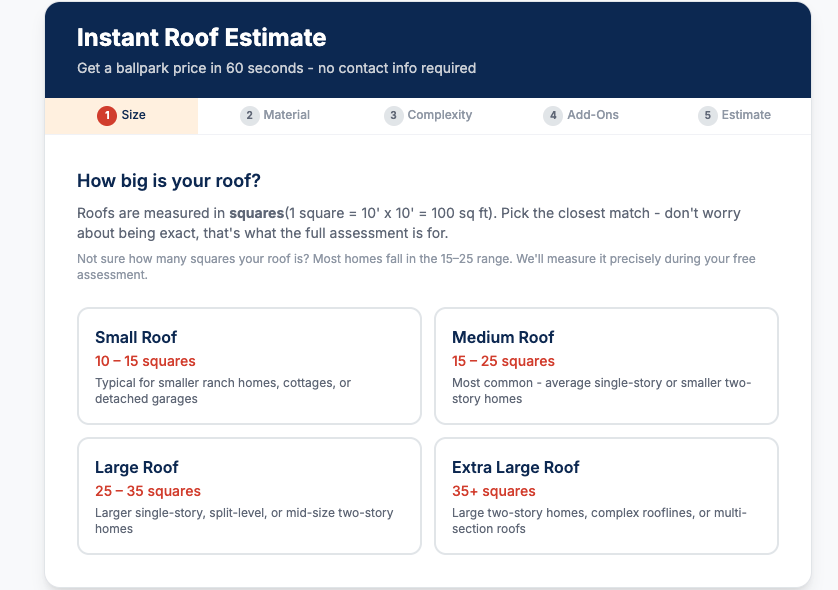
Whether you are planning a full roof replacement with properly rated materials or need an inspection to assess your current roof's compliance, French Roofing handles the entire project with care. We serve homeowners across the Greater Portland Metro area. If the upfront cost is a concern, we offer flexible financing options to make a properly rated roof accessible. Get your free estimate today and know exactly what your home is protected against.
FAQ
What does Class A fire rating mean for a roof?
Class A is the highest fire resistance rating under ASTM E108 and UL 790 standards. It means the entire tested roof assembly can withstand severe fire exposure, including large flaming brands and sustained flame contact.
Are fire, wind, and impact ratings the same scale?
No. Fire ratings use Class A, B, and C. Wind ratings for asphalt shingles use Class A, D, F, and G. Impact ratings use Class 1 through 4. Each system is independent and tests for a completely different hazard.
What is a Class 4 impact rating?
Class 4 is the highest rating under UL 2218 testing. It requires the roofing material to show no cracking or separation when struck by a 2-inch steel ball dropped from 20 feet, making it the best choice for hail-prone regions.
Can installation affect a roof's official rating?
Yes. Wind and fire ratings are only valid when the installation matches the tested assembly exactly. Incorrect fastener patterns, substitute underlayments, or incompatible decking can void a material's published rating.
Do impact-rated roofs lower insurance premiums?
In many hail-prone states including Texas and Colorado, UL 2218 Class 4 roofs qualify for insurance premium discounts. Check with your insurer and your state's requirements to confirm eligibility.